
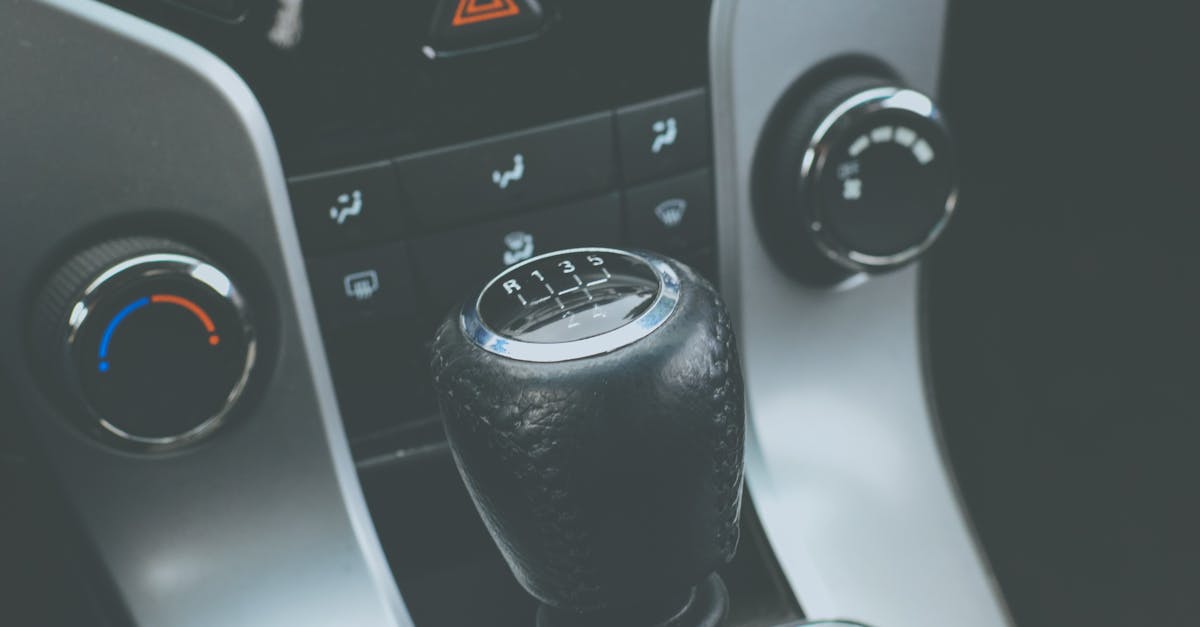
As the temperature drops across Hamilton and the surrounding areas like Stoney Creek and Ancaster, you may notice your vehicle behaves a bit differently during your first drive of the day. One common observation drivers make is that their car feels sluggish when shifting gears. This sensation is often related to the fluids inside your transmission becoming thicker due to the cold air. Much like how honey flows slower than water, transmission fluid changes its viscosity when the mercury drops, which can lead to a brief delay before your vehicle settles into a smooth rhythm.
The Role of Fluid Viscosity in Cold Weather
Your transmission relies on fluid to lubricate internal components and to provide the hydraulic pressure necessary to change gears. In warmer weather, this fluid maintains a consistent flow. However, as the temperature approaches freezing, the fluid becomes more viscous. This thickness creates resistance for the internal pumps and valves that manage gear changes. You might feel this as a hesitation, a slightly higher engine tone before the shift happens, or a feeling that the car is struggling to find the right gear. Most vehicles are designed to handle these fluctuations, but older fluid that has lost its protective qualities will struggle much more than fresh, clean fluid.
How to Manage Transmission Performance
To help your vehicle handle the cold, give your engine and transmission a few minutes to warm up before driving aggressively. Avoid heavy acceleration immediately after starting your car on a frosty morning. This allows the fluid to circulate through the transmission and warm up naturally, which helps it reach its proper operating viscosity. If you notice the sluggishness persists long after your engine has reached normal operating temperature, it may be a sign that the fluid has degraded or that there is an underlying issue. Regular care is the best way to ensure your transmission continues to operate smoothly throughout the winter months.
When to Seek Professional Advice
If the delayed shifting becomes noticeable every time you drive, or if you hear unusual noises, it is a good idea to have a professional look at your vehicle. A transmission fluid change can often resolve shifting issues caused by old, contaminated fluid that no longer flows properly in the cold. We can check the condition and level of your fluid to ensure your vehicle is ready for the Hamilton winter. Whether you live in Dundas, Waterdown, or Glanbrook, keeping your transmission fluid fresh is a practical step to maintain your vehicle performance.
Frequently asked questions
Should I let my car idle to warm up the transmission?
A short idle of a minute or two is usually enough to get fluids moving. Driving gently for the first few kilometres is more effective at warming up the transmission components than sitting in the driveway.
How often should transmission fluid be replaced?
This depends on your vehicle make and model, as well as your driving habits. Checking your owner manual for the manufacturer schedule is the best starting point, but we can also inspect the fluid quality during your next visit.
If you are concerned about how your vehicle is handling the colder temperatures, we are here to help. You can contact us to ask questions or book an appointment at our shop on Pritchard Road. Give us a call at (905) 588-2828 and our friendly team will be happy to assist you with your vehicle needs.