
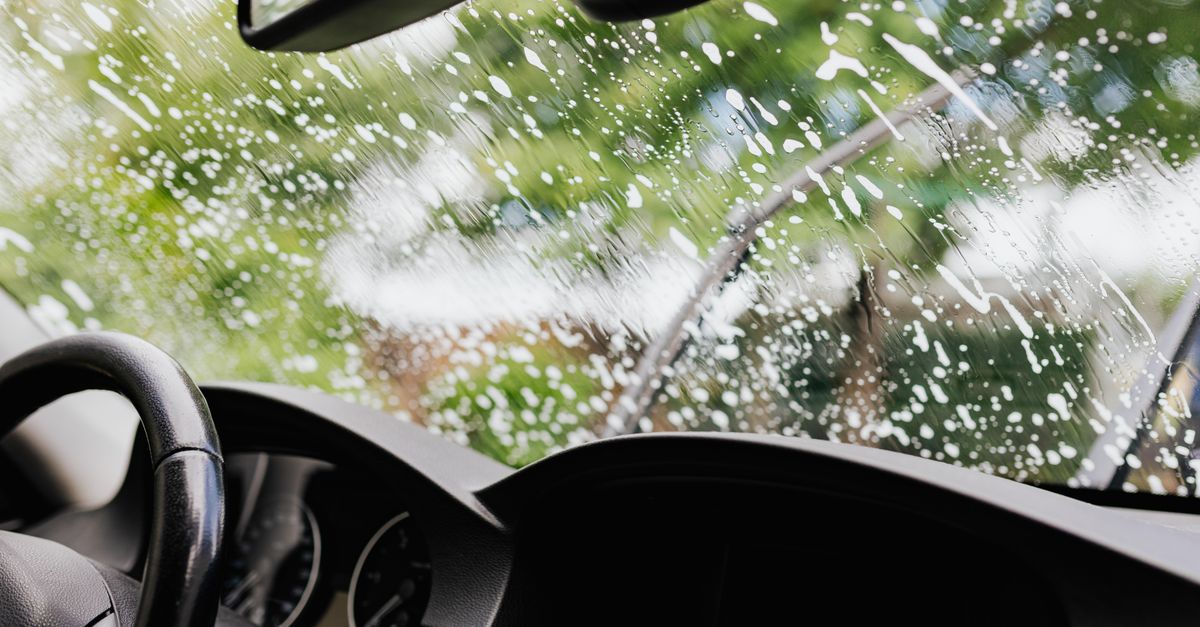
Dealing with a dry windshield on a slushy road is a stressful experience for any driver. When the sprayers stop working during a cold snap in Hamilton, it usually points to a few common culprits that you can check right in your driveway. Taking a few minutes to inspect your system now helps keep your view clear when winter weather arrives.
Listen for the Pump Motor
Start your vehicle and turn the key to the on position without starting the engine, or run the engine quietly so you can hear clearly. Pull or push your wiper stalk to activate the windshield washers. Listen closely near the front passenger side wheel well or under the hood for a distinct hum or whirring sound coming from the washer fluid reservoir area.
If you hear the electric motor running but no fluid comes out of the nozzles, your issue is likely physical rather than electrical. The blockage might be frozen fluid from an unexpected frost, pinched supply hoses, or clogged spray jets. If you hear absolute silence when you trigger the switch, the pump motor itself is not receiving power, or the fuse has blown, which stops the pump from spinning entirely.
Inspect Fuses and Electrical Connections
When your washer pump makes no sound at all, checking the fuse box is the most logical next step. Grab your vehicle manual to locate the specific fuse linked to the windshield washer system. Pull the fuse out and look at the thin metal strip inside to see if it is broken or burnt through.
If the fuse is intact, check the electrical connector plugged directly into the washer pump at the base of the fluid tank. Moisture and road salt can work their way into the connector, causing corrosion on the metal terminals. Unplug the harness, check for green or white crusty buildup, and clean the contacts if needed. If electrical power reaches the pump terminals when the cabin switch is pressed but the motor remains dead, the pump requires replacement. While working under the hood, it is also a good time to check your other vital fluid levels, or schedule an oil change if you are due for routine maintenance.
Check for Clogged Nozzles and Frozen Lines
If your pump motor hums loudly but your windshield stays dry, focus on the path the fluid travels. Open your hood and trace the rubber hoses leading from the fluid reservoir up to the spray nozzles on the cowl. Look for sharp bends, cracks, or disconnected joints where fluid might be leaking out before reaching the glass.
If the hoses look fine, the tiny spray jets on the hood often get plugged with road wax, dust, or mineral deposits. You can clear them by inserting a sewing needle or a straightened paperclip gently into the tiny outlet holes to break up any debris. If temperatures have dropped below freezing and you are still using summer washer fluid, the water inside the lines may have frozen solid. Moving your car into a warmer garage or flushing the system with proper winter-rated fluid usually solves this common cold-weather headache.
Frequently asked questions
Why does my washer pump hum but no fluid sprays?
This usually means the pump motor is working, but the fluid cannot escape. Check for frozen fluid in the lines, pinched hoses, or spray nozzles blocked by dirt and wax.
Where is the windshield washer pump located?
The pump is typically attached directly to the bottom or side of the plastic washer fluid reservoir, often hidden behind the front bumper or inner fender liner.
Can I use regular water in my washer reservoir?
Using plain water is fine in the summer, but it freezes easily during cold weather and can crack your tank or hoses. Always switch to winter-rated fluid before temperatures drop.
If you have tested your system and still cannot get a clear spray, our team at Super Auto Shop is ready to help get your vehicle ready for the road. Give us a call at (905) 588-2828 or visit our contact us page to book an appointment at our Hamilton location today.
Photo: https://kaboompics.com/ / Pexels