
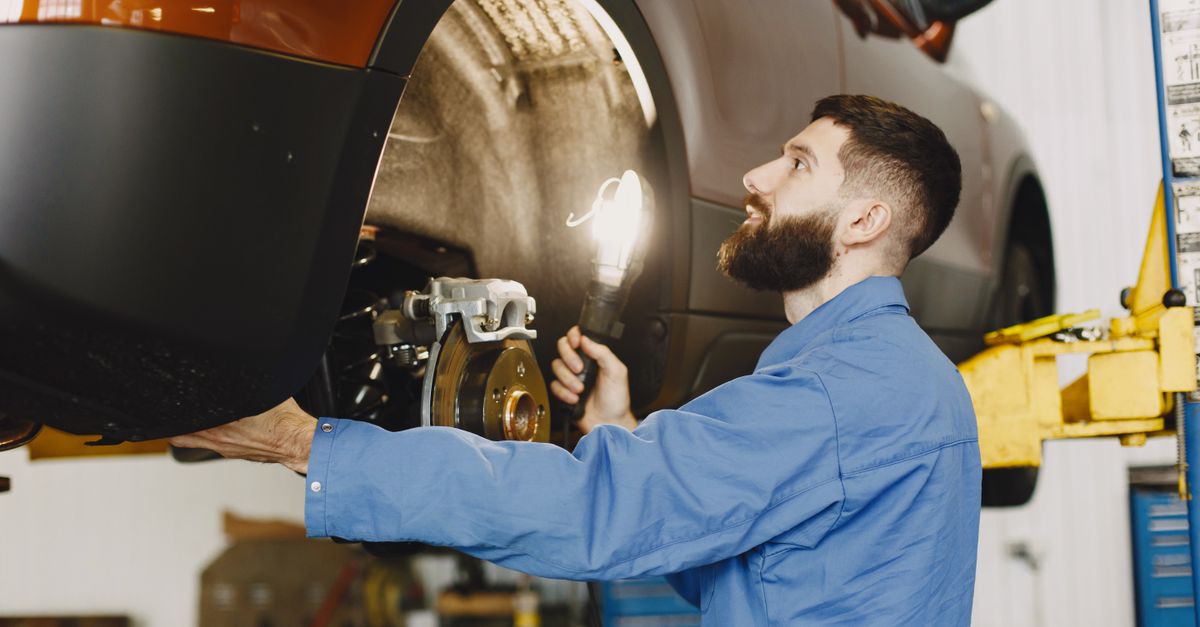
Hearing an unusual sound when you slow down for a red light on Barton Street can be unsettling. If you notice a mild grinding noise when you press your brake pedal, your vehicle is trying to tell you something important about its stopping system. Catching this sound early can save you from bigger repair bills down the road and keep your vehicle safe on local roads.
Why Brakes Start to Grind
Brake pads are fitted with wear indicators designed to alert drivers when the friction material gets thin. When you step on the pedal, these metal indicators rub against the metal rotor surface to create a distinct sound. Ignoring this noise allows the friction material to wear away completely, meaning bare metal starts grinding against bare metal.
- Friction material wears down from normal daily driving
- Metal backing plates or sensors make contact with rotors
- Rust and road grit from autumn weather can get trapped temporarily
When metal grinds against metal, it quickly scores and damages the rotors. A mild sound can turn into a harsh crunch very quickly if you keep driving without getting things checked out. This friction also generates excess heat, which can warp the metal components and make your steering wheel shake when you try to slow down.
Preventing Extra Damage to Your Rotors
Healthy brake pads have a thick layer of friction material that cushions the stop. Once that material is gone, the heat and friction generated during a stop multiply rapidly.
- Pay attention to changes in how the brake pedal feels under your foot
- Listen for sounds when slowing down on neighbourhood streets or highways
- Schedule a proper inspection before the noise gets louder
Replacing worn pads is straightforward, but damaged rotors often need replacement too. Addressing the mild grinding noise early keeps your vehicle stopping smoothly and reliably through Stoney Creek, Ancaster, and beyond. Professional brake service ensures your entire stopping system is safe for the road.
What Happens During a Brake Inspection
When you bring your car in to find out why it is making noise, a proper physical check is essential. Technicians do not just guess at the problem; they take off the wheels to look directly at the hardware.
- Measuring the exact thickness of the remaining brake pad material
- Checking the smooth surface of the brake rotors for deep grooves or scoring
- Inspecting calipers and brake lines for fluid leaks or stuck sliding pins
This hands-on evaluation lets you know precisely what needs attention. Sometimes the fix is as simple as replacing worn friction pads before the backing plates cause permanent harm to the surrounding metal parts.
Frequently Asked Questions
Is it safe to drive with a mild grinding noise?
It is never a good idea to keep driving once metal components are grinding together. Stopping distances can increase, and you risk ruining components that might otherwise have been saved.
How long do brake pads usually last?
Lifespan depends heavily on your driving habits, cargo weight, and your typical routes around Hamilton. City driving with frequent stops wears pads down faster than steady highway commuting.
What if the noise only happens on rainy days?
Light surface rust can form on rotors overnight or during wet fall weather and cause a brief scraping sound on your first few stops. If the sound persists every time you press the pedal, the pads need attention.
If you hear grinding or notice any other changes in how your car stops, please reach out. You can call us at (905) 588-2828 or visit our contact us page to book an appointment at our shop located at 406 Pritchard Rd Unit 15 in Hamilton.
Photo: Gustavo Fring / Pexels