
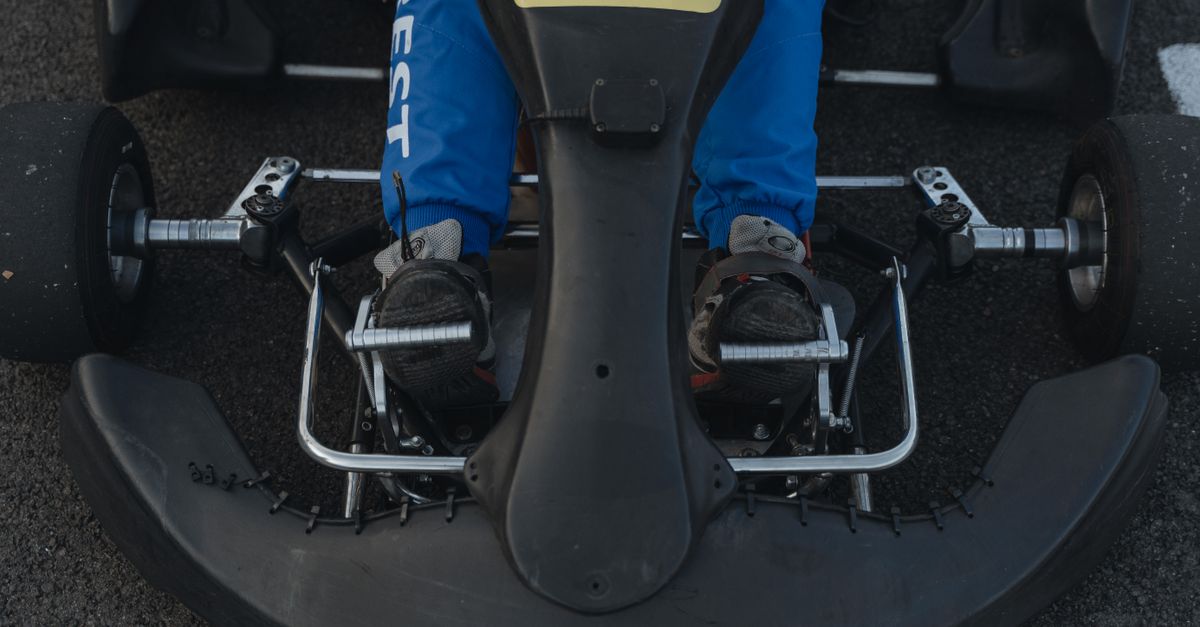
Driving through Hamilton or across the mountain during a late autumn rainstorm requires your full attention. When you tap the brake pedal and it feels soft, spongy, or sinks closer to the floor than usual, your vehicle is telling you something is wrong. While some drivers assume this is just a side effect of wet roads, a soft pedal usually indicates a deeper issue within your hydraulic braking system. Ignoring this sensation can lead to longer stopping distances exactly when you need to stop the fastest.
Moisture and Your Brake System
Your vehicle uses brake fluid to transfer the force from your foot to the wheels. This fluid is designed to operate under immense pressure and heat without compressing. However, brake fluid is hygroscopic, which means it absorbs moisture over time. Even in a sealed system, small amounts of water can work their way in. When that fluid gets old and contains water, it lowers the boiling point of the fluid. More importantly, if there is actual air trapped in your brake lines, the pedal will feel soft because air compresses much more easily than liquid does. When you are driving in wet, cold conditions, your brakes are already working harder to clear water from the rotors, and a spongy pedal makes that job significantly more difficult.
The Risks of a Spongy Pedal
When you press a firm pedal, the pressure is applied to the calipers or wheel cylinders instantly. When you press a spongy pedal, a portion of your foot's energy is wasted compressing air bubbles or moving through degraded fluid instead of clamping the brake pads against the rotors. On a dry day, you might not notice the delay, but on wet roads in Stoney Creek or Ancaster, that extra fraction of a second can be the difference between a controlled stop and a slide. Beyond the immediate danger, a soft pedal often signals that there could be a leak or a failing master cylinder. If the fluid level in your reservoir is dropping, the system is losing its ability to function, and you should have it inspected right away.
How to Check Your Brakes Today
You do not need to be a mechanic to perform a basic check of your system. Start by checking the brake fluid reservoir under your bonnet. If the level is below the minimum mark, do not just top it off and hope for the best. A low level is a clear sign that you are either dealing with a leak or that your brake pads are worn down to the point where the pistons are extended too far. If you notice the pedal sinking while you are stopped at a traffic light, that is a classic sign of internal pressure loss. For a proper assessment of your Brake service needs, having a professional take a look is the safest path forward.
Frequently asked questions
Is it safe to drive with a soft brake pedal?
No, you should avoid driving if your brake pedal feels spongy or sinks to the floor. This indicates a loss of hydraulic pressure, which puts you and others on the road at risk of an accident.
Can cold weather make a soft pedal worse?
Yes, colder temperatures can make existing issues with brake fluid or trapped air more noticeable. Moisture in the fluid can affect performance, and it is best to have the system inspected before the first heavy snowfall.
If you are worried about how your car is stopping, do not wait for the roads to get worse. We are located at 406 Pritchard Rd Unit 15, Hamilton, and we are happy to help you get your vehicle back in top shape. You can call us at (905) 588-2828 or contact us through our website to book your next visit.
Photo: Tima Miroshnichenko / Pexels